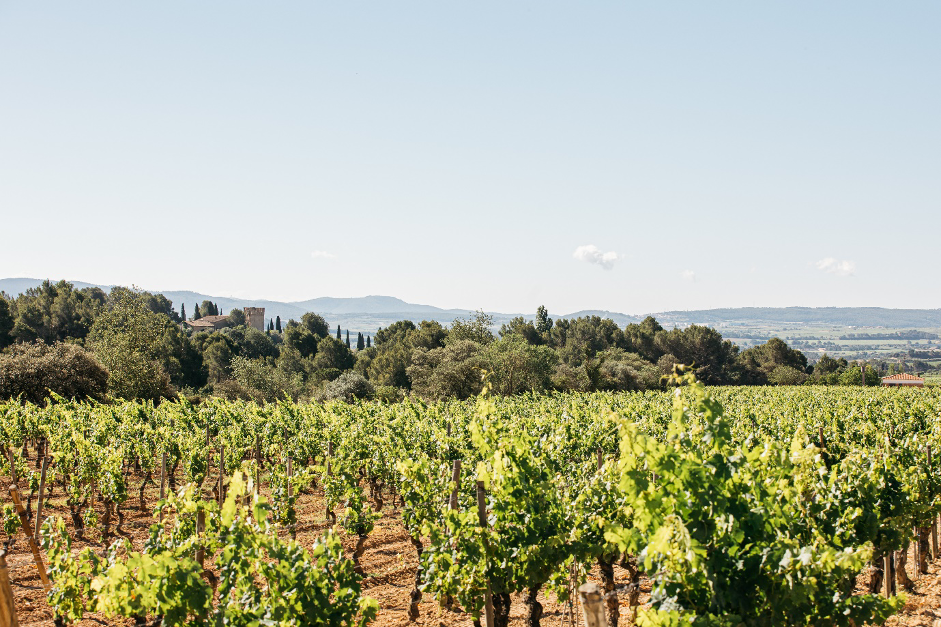
At Jean Leon, our commitment to sustainability and respect for nature has always been clear to us. Since 2008, we have been working our wines with ecological practices, using natural organic fertilisers and techniques such as pheromones and Bordeaux sprouts to prevent pests. However, over time, we believe that we need to go a step further with regenerative viticulture.
Regenerative viticulture goes one step further than organic viticulture: it is based on recovering life in the soil and creating natural ecosystems that promote biodiversity, slow down erosion and make our wines more resilient. Furthermore, this viticultural model allows us to capture atmospheric CO2 and fix it in the soil through plant cover, thus helping to minimise the effects of global warming.
A few years ago, the European project VITIREGENERE was launched, an initiative that is committed to regenerative viticulture.
A historical commitment to viticulture
At Jean Leon we have been pioneers in the adoption of viticulture practices for more than a decade, and we have realized that soil degradation and the need for agriculture that improves soil health and nutrients are major challenges we face. In 2022, we joined the VITIREGENERE project, together with other members committed to sustainable viticulture, organizations such as INNOVI and IRTA, and wineries such as Familia Torres, Can Feixes and Clos Mogador. This project is a task force whose main objective is to demonstrate and validate regenerative agricultural practices that help improve soil health in vineyards, making viticulture a more sustainable activity. With this project, techniques have been validated that allow us to solve the problems posed by climate change by approaching our vineyards as small ecosystems that must be nurtured and cared for.
This project joins the 4p1000 Initiative, which aims to increase the carbon stored in the soil to help combat climate change. Through regenerative practices, we can fix more carbon in the soil, which helps us in the fight against global warming. It is a way to take care of our planet while producing quality wines.
Project objectives
In the vitiregenere project, an agronomic, physical-chemical and microbiological study has been carried out, as well as a study of organic carbon fixation in the soil, carrying out microvinifications of all the plots every year. The main objectives have been:
- Demonstrate and validate practices that improve soil health for a more sustainable viticulture.
- Improve the management of fertilization and phytosanitary treatments.
- Increase the soil’s capacity to retain water, as well as improve the efficiency of rainwater use.
- Reducing soil erosion and improving biodiversity, both at microbial level and in terms of local flora and fauna.
- Integrate agriculture into the surrounding ecosystem, and protect landscape value. This implies that our vineyards work in harmony with the surrounding natural environment and that, at the same time, we maintain the beauty of the landscape in the area.
Regenerative practices in Jean Leon vineyards
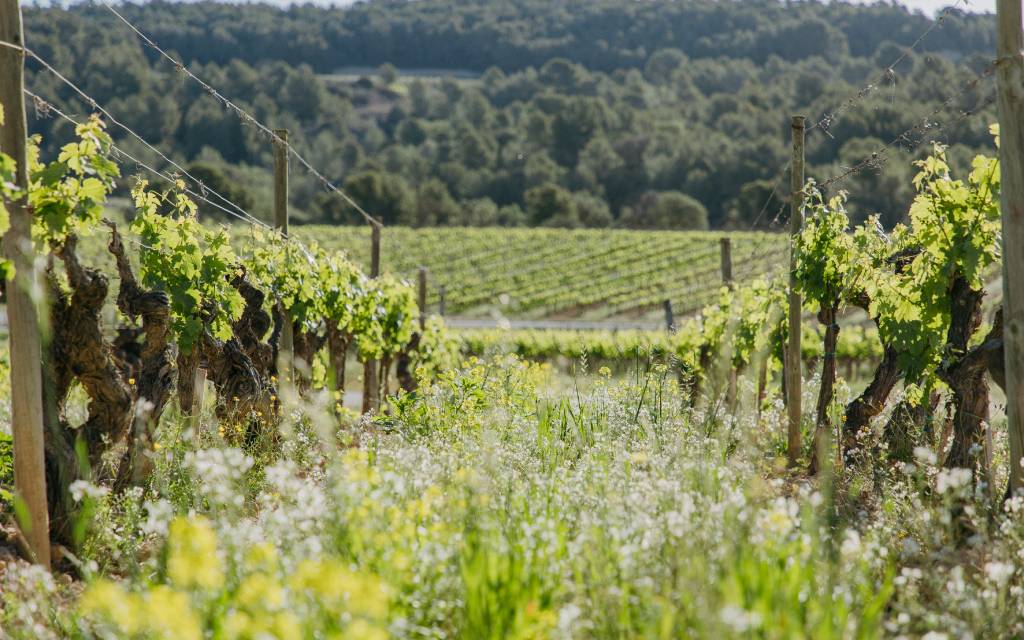
Jean Leon has adopted several key practices within regenerative viticulture, among them:
- Plant covers: We have implemented the use of plants to protect the soil, improve soil fertility and increase biodiversity. These plants maintain humidity, improve soil fertility and prevent soil erosion. They act as allies in the fight against climate change by fixing carbon in the soil.
- Natural nutrient management: Reducing the use of chemical fertilizers and opting for organic matter that improves soil quality without damaging it.
- Biodiversity conservation: Encouraging local fauna and flora to create a healthy and balanced ecosystem.
- Microbiological testing: with regular monitoring of the state of the soil to assess its health and capacity for regeneration.
The main conclusions of the GO vitiregenere are that more years are needed to see noticeable changes in the soil, especially at the analytical level, but a slight increase in organic carbon stocks in the field and a slight reduction in greenhouse gas emissions can be observed.
It has also been found that good canopy management is necessary to avoid increasing water deficiency in the vineyard in the event of drought. Excessive water stress can significantly affect the vegetative development of the plant and the production and quality of the grapes.
The microbiome present in the vineyards of different wineries has been analyzed, and it has been found that the proportion of species is specific to each one and is determined by the soil and climatic conditions.
In general, in 2023 there was a decrease in the content of bacteria, fungi and microorganisms in the soils due to the drought, although there was a recovery and increase with respect to the values for 2022. The biodiversity and richness of microorganisms was higher in the regenerative plots than in the conventional plots.
Thanks to projects like VITIREGENERE and initiatives like 4P1000, they help us to ensure that, in the future, we can all continue to enjoy quality wines on a more sustainable planet.