At Jean Leon, respect for the land is neither a trend nor an obligation. It’s a way of life. Every day, as we walk through our vineyards in the heart of Penedès, we feel the responsibility to care for everything around us. That’s why our commitment to the environment goes far beyond June 5th, World Environment Day. It’s a philosophy that permeates every decision we make in the winery.
Working respectfully with our surroundings is not just a choice; it’s our way of understanding viticulture, it is the foundation upon which we build our legacy.
In our ongoing pursuit to give back to nature what it offers us, we have incorporated techniques from regenerative viticulture: a way of farming that not only avoids harming the environment, but actually restores it.
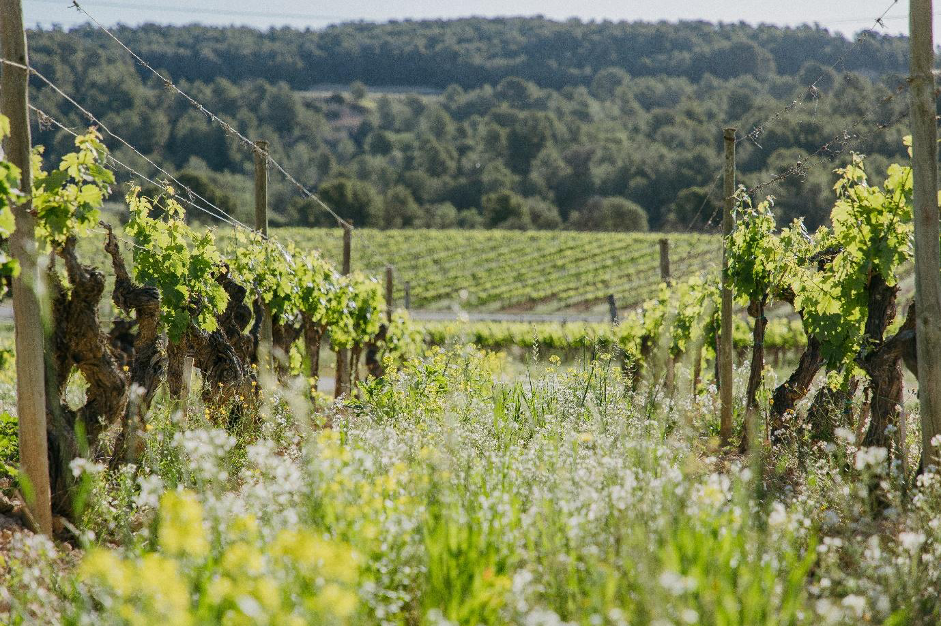
In the vineyard, this translates into practices that revive soil health, foster biodiversity, and strengthen the resilience of the vines against climate change.
Regenerative viticulture: farming with the future in mind
Unlike sustainable agriculture, which focuses on minimizing negative impact, regenerative viticulture aims to restore ecosystems. It means going back to the roots, understanding the vineyard as a living organism, and returning natural balance to the soil.
Cover crops, composting, no-till soil management, natural nutrient cycling, and biodiversity conservation are just a few of the practices that transform our vineyards into more resilient, vibrant, and harmonious environments.
Regenerating from the roots: our vineyard practicesAt Jean Leon, we have implemented a number of regenerative practices that reinforce our vision:
- Spontaneous cover crops
We protect the soil with native plants that promote biodiversity, retain moisture, and capture carbon, actively contributing to the fight against climate change.
- Natural nutrient management
Since 2008, we’ve eliminated chemical fertilizers. We rely on organic composts that nourish the soil without altering its natural balance.
- Biodiversity conservation and tree planting
We plant trees and encourage native flora and fauna, creating a balanced ecosystem that naturally protects our vineyards.
- Microbiological soil análisis
We regularly analyze the soil to ensure it remains alive, fertile, and capable of regenerating on its own.
One step further: Vinya Gigi’s Certification
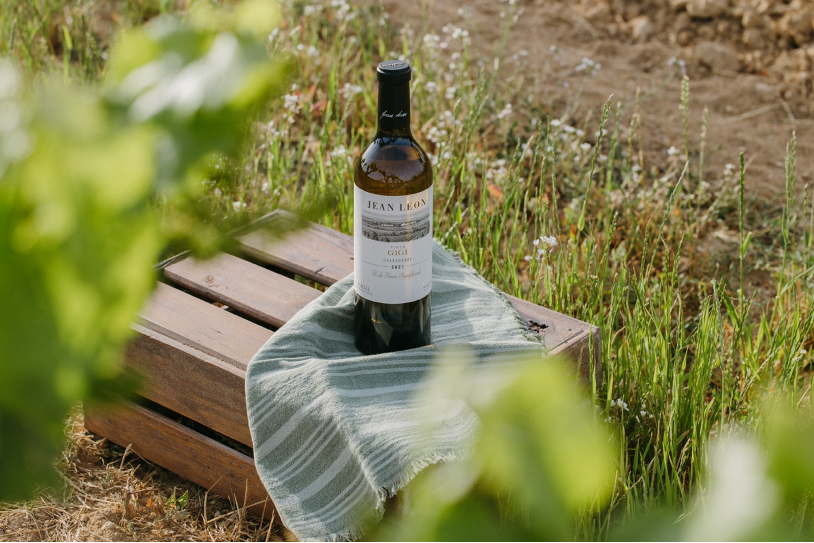
Our Vinya Gigi Chardonnay is a clear example of this commitment. The 2023 vintage was the first to receive certification from the Regenerative Viticulture Alliance (RVA), the highest level within international regenerative farming standards. This distinction recognizes vineyards that have adopted a full range of regenerative practices with measurable, long-term results.
It’s a firm step toward a form of viticulture that not only respects its surroundings, but enhances them. A way of working the land with the future in mind, without compromising the quality that defines our wines.
Since 2008: A growing ecological philosophy
At Jean Leon, we embraced organic viticulture long before it became a trend. Since 2008, our vineyards have been cultivated without herbicides or synthetic fertilizers. We use methods such as pheromones and Bordeaux mixture to protect our vines without harming the ecosystem.
We believe that wine should be a sincere reflection of the landscape it comes from. That’s why we invite you to visit us, walk through our vineyards, feel the earth beneath your feet, and discover how every glass tells a story of commitment, respect, and love for nature. At Jean Leon, every glass is a small tribute to the land that gives us everything.