At Jean Leon, we have always been committed to innovation, quality, and respect for the environment. Today, we are proud to announce that we are among the first wineries in the world to receive the international certification for regenerative viticulture through the Regenerative Viticulture Alliance (RVA), a milestone that reaffirms our commitment to caring for the planet and producing sustainable wines.
The Regenerative Viticulture Alliance (RVA) certification, promoted by the Regenerative Viticulture Association, recognizes the efforts of wineries applying sustainable agricultural practices that contribute to soil regeneration and climate change mitigation. Jean Leon has been one of the seven wineries selected from four countries to achieve this distinction, alongside international benchmarks such as Domaine Mirabeau (Côtes de Provence, France), Lima & Smith (Vinho Verde, Portugal), Miguel Torres Chile (Maule Region, Chile), and Familia Torres (Penedès), among others.
What does regenerative viticulture mean?
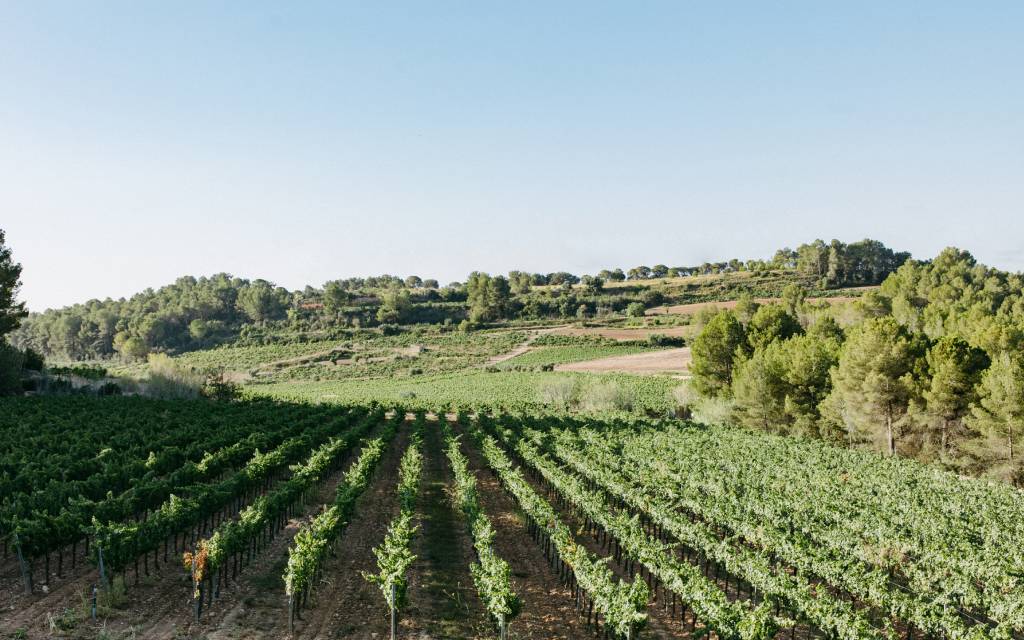
Regenerative viticulture is an innovative approach that not only aims to produce wines of exceptional quality but also to protect and enhance the vineyard ecosystem. Techniques include no-tillage, the use of cover crops, and rational grazing, all designed to improve soil health and increase biodiversity. This approach not only regenerates the land but also acts as a carbon sink, helping to reduce the effects of global warming.
Two levels of RVA certification: A path to total sustainability
The Regenerative Viticulture Alliance (RVA) standard establishes a certification system divided into two levels, reflecting the degree of commitment of vineyards to regenerative practices. This distinction not only ensures the sustainability of agricultural processes but also serves as a clear roadmap for producers who wish to transition to a fully regenerative model. The two levels are:
1. RVA Certified
This is the highest level of certification, granted to vineyards that have implemented all of the regenerative practices described in the RVA standard. These practices include:
- No-tillage: Avoiding plowing to preserve soil structure and microbiota.
- Cover crops: Using plants to protect the soil, improve its fertility, and increase biodiversity.
- Rational grazing: Introducing controlled grazing animals to manage cover crops and naturally return nutrients to the soil.
- Organic amendments: Using natural fertilizers that enhance soil quality without harming it.
- Biodiversity conservation: Promoting local flora and fauna to create a healthy and balanced ecosystem.
- Microbiological analysis: Regular monitoring of soil status to assess its health and regenerative capacity.
- Animal welfare and fair working conditions: Ensuring fair treatment for both the animals and workers involved in the process.
The RVA Certified certification guarantees that the vineyard not only complies with organic standards but is also optimizing its agricultural practices to actively contribute to climate change mitigation and land regeneration. At this level, the vineyard becomes a reference model for other producers seeking more sustainable and responsible wine production.
2. RVA Transition
This second level of certification is designed for winegrowers in the process of adopting the regenerative model but have not yet implemented all the practices required by the RVA standard. These vineyards are in transition towards more sustainable management, meeting some key criteria but not all. Although they do not apply all practices, RVA Transition vineyards are already demonstrating a firm commitment to sustainability and ecosystem well-being.
The RVA Transition certification allows these vineyards to access the benefits of a regenerative approach while completing their evolution towards full certification. This level acts as an incentive for producers aiming to progressively improve their agricultural practices.
Verification by Ecocert
Regardless of the certification level, vineyards are verified by Ecocert, the world leader in organic and sustainable certification. This ensures that all applied regenerative practices meet the highest global sustainability standards. Ecocert’s involvement adds an extra guarantee of transparency and credibility, giving consumers confidence that wines certified under the RVA label are not only of high quality but also environmentally friendly.
A wine that makes a difference
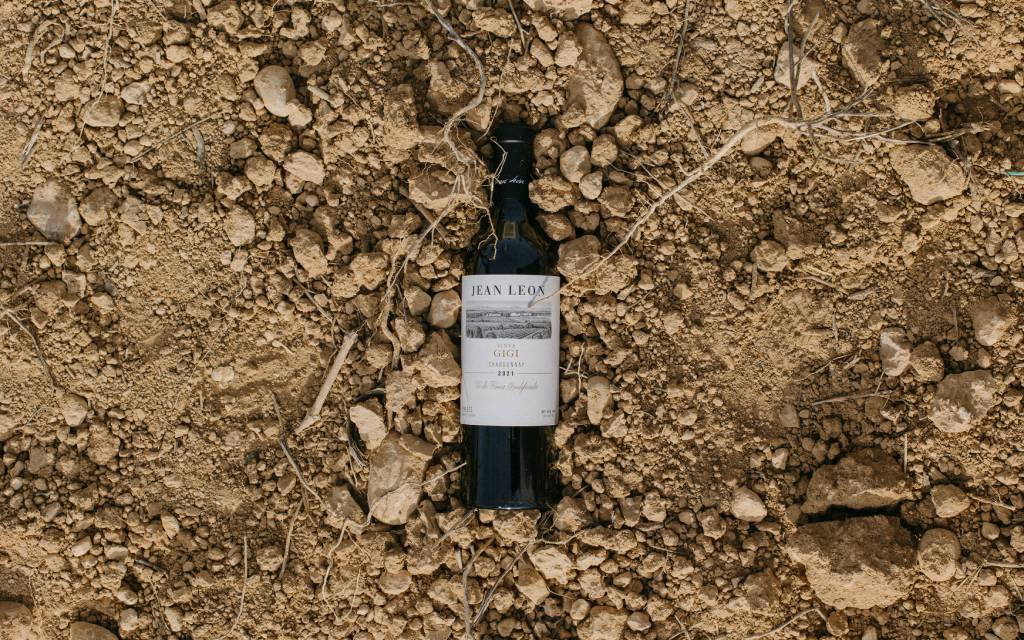
This year, our Vinya Gigi Chardonnay 2023 will be the first wine to carry the RVA seal, and it reflects the dedication we put in the care of the vineyard which it comes from. We have implemented regenerative practices that not only improve the quality of the wine but also contribute to combating global warming.
A more sustainable future for wine
The RVA certification not only represents an achievement for us but also an opportunity to invite other winegrowers to join this paradigm shift in the wine industry. From the Regenerative Viticulture Association, which has over 110 partners in 9 countries, we continue to drive a future where sustainability and wine excellence go hand in hand.
At Jean Leon, we believe that the future of wine lies in soil regeneration, ecosystem preservation, and responsible production. And with RVA certification, we are one step closer to making this dream a reality.