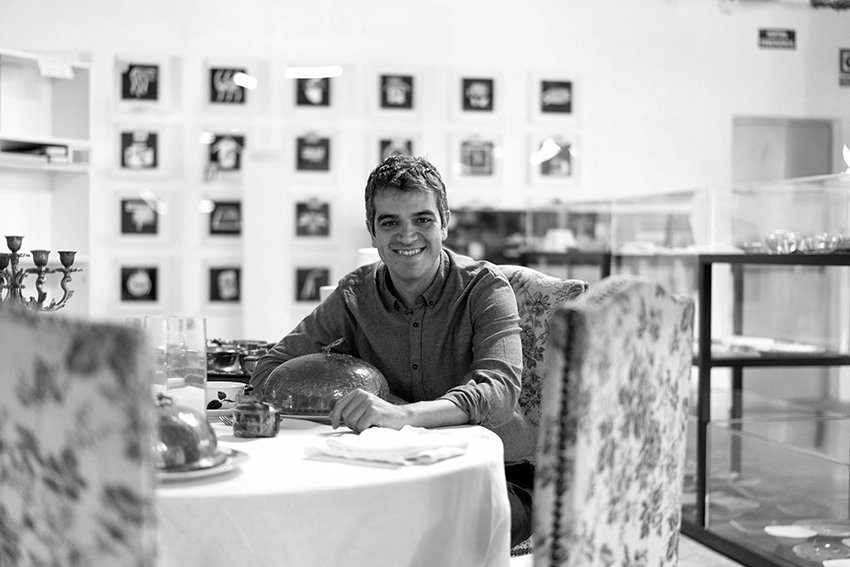
By Sergi Castro, Jean Leon’s sommelier
If there is one thing that defines gastronomic trends for 2025, it is that they are looking to the future, clearly redefining the future of food, with a clear focus on conscious and environmentally friendly gastronomy.
The factors that define it: a growing concern for personal health and environmental sustainability. But let’s go through these gastronomic trends in detail:
Healthy and functional food
When we talk about functional foods we refer to those that offer additional benefits to our health. We are going to see more and more foods enriched with vitamins and minerals; containing probiotics and antioxidants or offering specific health benefits.
There are many medical studies that see in wine, always taken in moderation, these requirements thanks to antioxidants such as resveratrol, which can even prevent the onset of certain types of cancer or help digestive health.
We tend to look for more sustainable and healthy products, which is reflected in the increased consumption of organic products, such as all the wines we produce at Jean Leon since 2008.
Sustainability in the gastronomy industry
Sustainable practices in food (and beverage) production are becoming one of the key pillars of consumption. The conscious use of water resources and the minimization of environmental impact in production are becoming increasingly important to consumers.
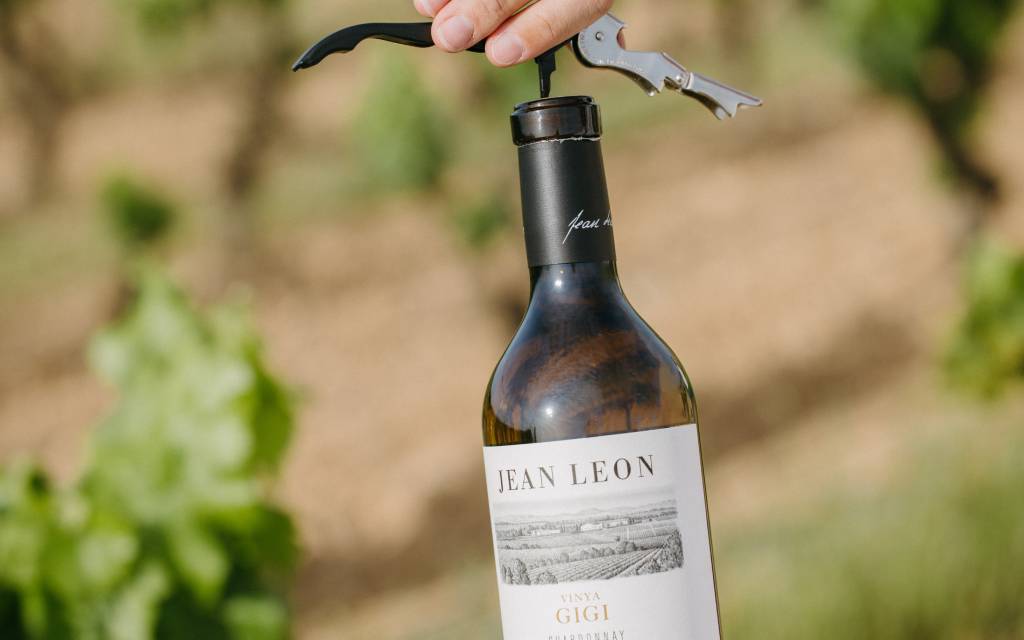
Did you know that at Jean Leon we are somewhat pioneers in the implementation and study of regenerative viticulture? Our Vinya Gigi Chardonnay is the first wine of the winery with the label that certifies it, but all the others will follow. This past year we have built a rainwater collection pond that allows us to optimize the water that falls from the sky for use during periods of drought. But that’s not all: we have started a roof study that has prevented the evaporation of 7 million liters from the pond.
Ingredient innovation
This year, get ready to see mangosteen and pitahaya on your plates, which are bursting onto the scene as trendy tropical fruits.
But it is also a trend to look for new protein sources with an increasing presence of algae and insects, two protein sources that are taking small steps year after year despite the initial reluctance of Western consumers.
Alternatives to meat
Food created from plants, or meat generated in laboratories will be the trend for a more sustainable “meat” consumption. The first, with foods that increasingly resemble meat in both taste and texture, while trying to reduce their ultra-processing, which would be the great challenge of this food industry.
The second with unstoppable advances, but still high cost, which relegates it more to very high-end restaurants.
But allow me to break my personal spear in favor of legumes such as lentils, chickpeas or beans, which are a source of protein that can replace animal protein and have always been essential in our gastronomic tradition.
Circular cooking and waste reduction
This year, the catering industry is going to seriously tackle the issue of food waste. Circular cooking is going to be the sustainability answer on their part. Using all parts of the animal or plant. The creation of sauces, side dishes, with the less noble parts that used to be thrown away. Or prolonging the life of food with fermented or dehydrated foods will be almost obligatory in restaurant kitchens, and eventually, at home.
Flavors of the world for a gastronomy without frontiers
It seems a trend a little contradictory to the one we will see ahead of the rise of the local, but Korean cuisines, which already started to be a trend last year, and the irruption or rediscovery of Indian cuisine are becoming fashionable for this 2025.
It is true that we have increasingly easy access to certain ingredients, even locally produced, which make it easier for us to experiment with these distant and exotic cuisines.
Indulgent but healthy foods
We don’t want to give up anything anymore! That’s why we’re going to see more and more foods emerge that allow us a certain indulgence but are healthy and sustainable.
Ice creams reduced in sugar and without artificial sweeteners. Protein-enriched desserts… Cocoa and chocolate production set the way forward, and we will see it more and more in other small culinary pleasures.
Local Preferences vs. Globalization
Local, seasonality, “zero kilometer” production, regionality… are gaining ground over globalization every year. No one can deny that the freshness of products produced around us will always be superior to those that have to travel thousands of kilometers. The carbon footprint is something that consumers take more into account, and in favor of sustainability, local production takes the lead. We help local producers (circular economy) while helping in the fight against climate change.
Eating local and seasonal products is, without renouncing a certain amount of creativity and curiosity for world cuisines, the most important trend that encompasses, so to speak, all gastronomic trends for this year 2025, marked by sustainability.
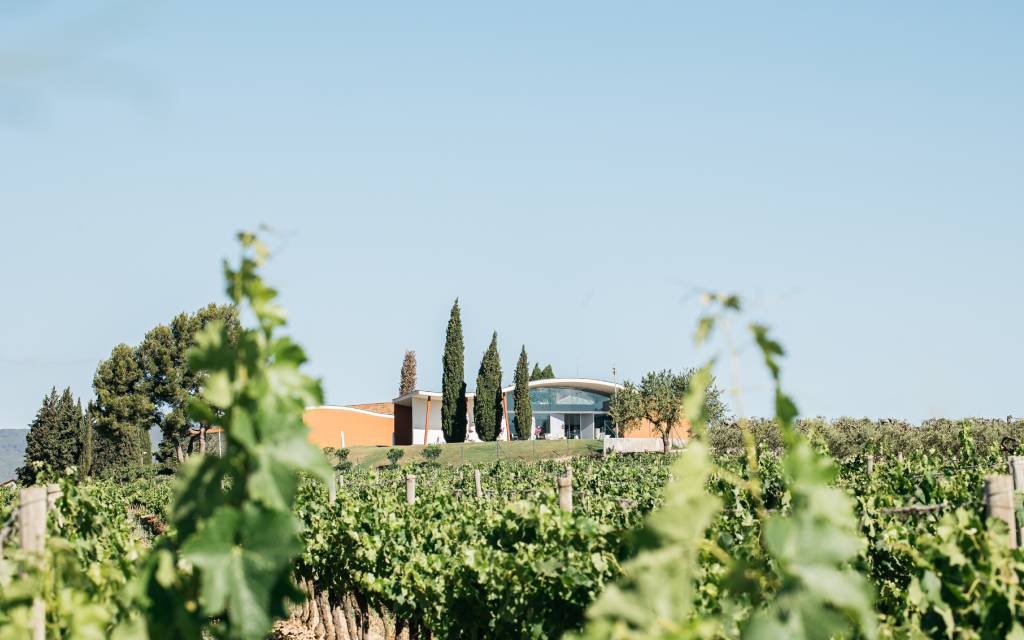
From Jean Leon Winery we love the current trends, and we invite you to come and see us during this year 2025 to be part of all the hard work we are doing for sustainability and the fight against climate change.
Happy, healthy and sustainable New Year.